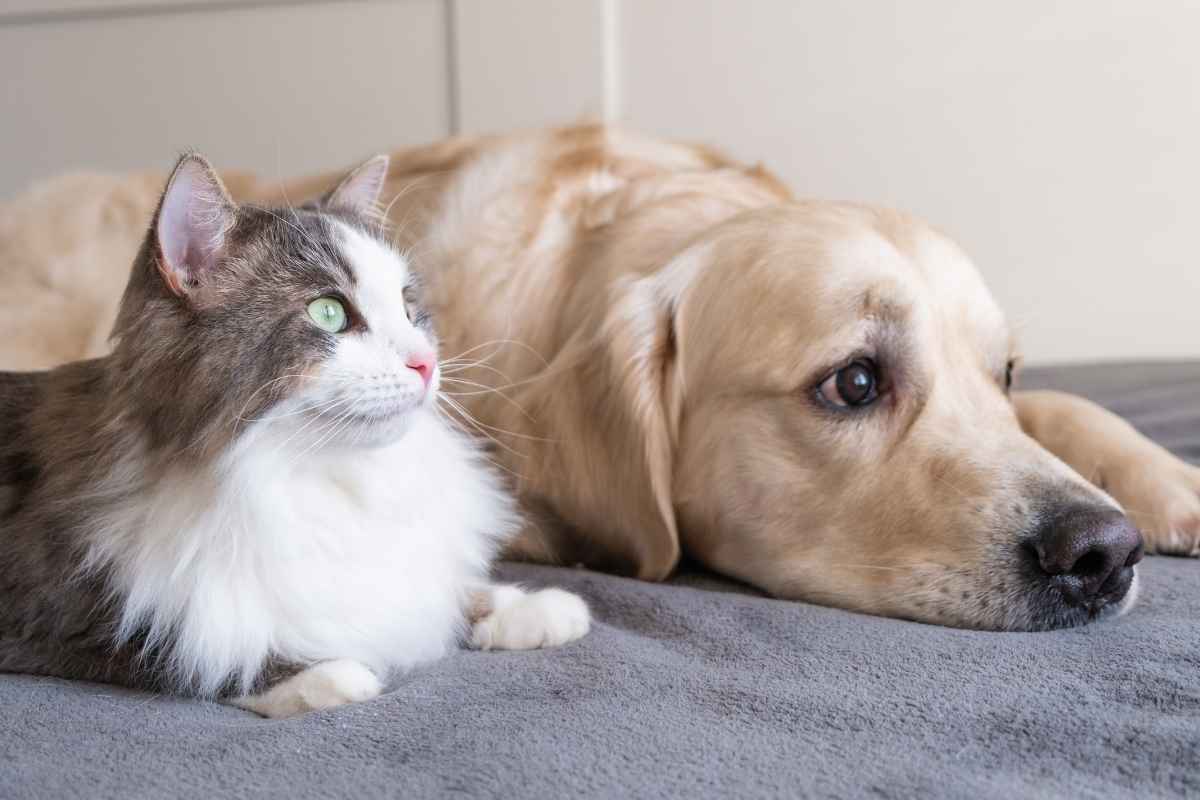


Pets have a special way of becoming part of the family. They bring joy, companionship, and unconditional love into our lives. Because they cannot tell us when something is wrong, it is important to recognize the warning signs that indicate they need immediate medical attention. While some health concerns can wait for a routine appointment, others require urgent veterinary care to prevent serious complications.
Knowing the difference between a minor issue and a medical emergency helps you make the best decision for your pet. Acting quickly can improve recovery, reduce pain, and even save your pet’s life. If you notice unusual behavior or sudden symptoms, seeking veterinary care without delay is always the safest option. Pet owners in Mooresville can benefit from understanding these warning signs before an emergency happens.
Why Prompt Veterinary Care Matters
Every minute counts when a pet experiences a serious illness or injury. Early treatment often prevents conditions from becoming worse. Additionally, prompt medical attention allows veterinarians to diagnose the problem sooner and begin the most appropriate treatment.
Some illnesses progress rapidly, while injuries may lead to severe internal damage that is not immediately visible. Therefore, recognizing the warning signs and acting quickly gives your pet the best chance for a full recovery.
Difficulty Breathing
One of the most serious warning signs is trouble breathing. Pets should breathe comfortably and quietly while resting. If your dog or cat is struggling to breathe, gasping, wheezing, or breathing with an open mouth, immediate veterinary care is necessary.
Watch for signs such as:
- Rapid breathing
- Blue or pale gums
- Persistent coughing
- Excessive panting without exercise
- Labored breathing using abdominal muscles
Breathing problems can result from heart disease, allergic reactions, airway obstruction, infections, or trauma. Because oxygen is essential for every organ, delaying treatment can quickly become life-threatening.
Severe Bleeding
Small cuts may not require immediate attention, but heavy or uncontrolled bleeding should never be ignored.
Seek urgent care if your pet has:
- Continuous bleeding
- Deep wounds
- Bleeding after an accident
- Blood soaking through bandages
- Bleeding that does not stop within a few minutes
Significant blood loss can lead to shock, making immediate treatment critical.
Difficulty Standing or Walking
If your pet suddenly cannot stand, collapses, or struggles to walk, it may indicate a serious medical condition.
Possible causes include:
- Neurological disorders
- Spinal injuries
- Broken bones
- Internal injuries
- Severe weakness
- Blood clot complications
Even if your pet seems alert, sudden mobility problems require prompt veterinary evaluation.
Persistent Vomiting or Diarrhea
Occasional stomach upset may resolve on its own. However, repeated vomiting or diarrhea can quickly become dangerous.
Pay close attention if your pet:
- Vomits several times within a few hours
- Cannot keep water down
- Has bloody vomit
- Has bloody diarrhea
- Appears weak or dehydrated
These symptoms may result from poisoning, intestinal obstruction, severe infections, pancreatitis, or other serious illnesses.
Seizures
A seizure can be frightening to witness. During a seizure, your pet may:
- Collapse
- Shake uncontrollably
- Paddle their legs
- Lose consciousness
- Drool excessively
- Become disoriented afterward
Although some pets have chronic seizure disorders, any first-time seizure or repeated seizures require urgent veterinary evaluation.
Suspected Poisoning
Many everyday household items can be toxic to pets.
Common toxins include:
- Chocolate
- Xylitol
- Grapes and raisins
- Certain medications
- Household cleaners
- Rodenticides
- Toxic plants
- Antifreeze
Signs of poisoning may include:
- Vomiting
- Tremors
- Weakness
- Difficulty walking
- Excessive drooling
- Collapse
If you suspect your pet has ingested something toxic, do not wait for symptoms to worsen. Immediate treatment offers the best outcome.
Difficulty Urinating
A pet repeatedly attempting to urinate without success needs urgent veterinary attention.
You may notice:
- Frequent trips outside
- Straining
- Crying during urination
- Small urine output
- Blood in the urine
Urinary blockages, especially in male cats, can become life-threatening within hours.
Swollen Abdomen
A swollen or hard abdomen should never be ignored.
Potential causes include:
- Gastric dilatation-volvulus (bloat)
- Internal bleeding
- Fluid accumulation
- Organ enlargement
- Tumors
If your pet’s abdomen appears enlarged and they seem uncomfortable or restless, seek veterinary care immediately.
Eye Injuries
Eye injuries require immediate attention because delays may lead to permanent vision loss.
Watch for:
- Squinting
- Cloudy eyes
- Eye swelling
- Bleeding
- Pawing at the eye
- Sudden vision changes
Prompt treatment often protects vision and reduces long-term complications.
Hit by a Vehicle or Major Trauma
Even if your pet appears normal after an accident, hidden injuries may still exist.
Internal bleeding, fractures, lung injuries, and organ damage are not always immediately obvious. Therefore, every pet involved in a serious accident should receive a veterinary examination as soon as possible.
Extreme Pain
Pets often hide pain instinctively. Nevertheless, certain signs clearly indicate severe discomfort.
Look for:
- Crying or whining
- Aggression when touched
- Constant panting
- Trembling
- Restlessness
- Refusing to move
- Hunched posture
Pain often signals an underlying medical problem requiring urgent diagnosis.
Collapse or Loss of Consciousness
Collapse is always considered an emergency.
Possible causes include:
- Heart disease
- Heatstroke
- Poisoning
- Severe infections
- Low blood sugar
- Internal bleeding
Never assume your pet will recover without treatment.
Heatstroke
Heatstroke develops quickly, especially during warm weather.
Warning signs include:
- Heavy panting
- Bright red gums
- Excessive drooling
- Vomiting
- Weakness
- Collapse
Never leave pets inside parked vehicles. Additionally, always provide fresh water and shade during outdoor activities.
Choking or Difficulty Swallowing
Pets may accidentally swallow toys, bones, or other foreign objects.
Signs include:
- Gagging
- Pawing at the mouth
- Excessive drooling
- Difficulty swallowing
- Choking sounds
- Sudden panic
Foreign objects can block the airway or digestive tract and require immediate veterinary intervention.
Broken Bones or Severe Limping
A fractured bone often causes:
- Swelling
- Obvious deformity
- Refusal to bear weight
- Severe pain
- Crying when moving
Avoid trying to straighten the limb yourself. Instead, keep your pet as still as possible while transporting them safely to the veterinary hospital.
Sudden Behavioral Changes
Sometimes the first indication of illness is a dramatic change in behavior.
Warning signs include:
- Extreme lethargy
- Confusion
- Hiding
- Sudden aggression
- Loss of responsiveness
- Walking in circles
Behavioral changes often indicate neurological, metabolic, or systemic illness that requires prompt evaluation.
Allergic Reactions
Severe allergic reactions may occur after insect stings, medications, vaccinations, or exposure to allergens.
Symptoms include:
- Facial swelling
- Hives
- Difficulty breathing
- Vomiting
- Collapse
Because allergic reactions can progress rapidly, immediate treatment is essential.
What You Should Do Before Arriving
If your pet experiences an urgent medical issue, staying calm helps both you and your pet.
Follow these steps:
- Keep your pet as comfortable as possible.
- Avoid giving human medications.
- Prevent unnecessary movement if injury is suspected.
- Transport your pet carefully.
- Call the veterinary hospital while traveling so the team can prepare.
These simple steps can help improve your pet’s safety before arrival.
How Preventive Care Reduces Emergencies
Although not every emergency is preventable, routine veterinary care greatly reduces many risks.
Regular wellness visits help identify health concerns before they become urgent.
Preventive care may include:
- Physical examinations
- Vaccinations
- Dental evaluations
- Blood testing
- Parasite prevention
- Nutritional guidance
- Weight management
- Senior wellness screening
By maintaining routine care, many diseases can be detected earlier when treatment is often simpler and more effective.
Trust Your Instincts
You know your pet better than anyone else. If something feels unusual, it is always better to seek professional advice rather than wait.
Many life-threatening conditions initially appear mild. However, they can progress rapidly without treatment. Prompt veterinary evaluation provides peace of mind and ensures your pet receives the care they need as quickly as possible.
Recognizing the early signs of a medical emergency can make all the difference in your pet’s recovery. Difficulty breathing, repeated vomiting, seizures, trauma, poisoning, severe pain, and sudden behavioral changes should never be ignored. Quick action helps prevent complications and gives your pet the best opportunity for a healthy outcome.
If your pet is showing any of these warning signs, call 704-892-1992 and schedule an appointment with TotalBond Veterinary Hospital at Davidson. Our experienced veterinary team is committed to providing compassionate, timely care for pets in Mooresville and the surrounding communities.
Frequently Asked Questions
- What are the most common signs that my pet needs urgent veterinary care?
Signs such as difficulty breathing, repeated vomiting, severe diarrhea, seizures, uncontrolled bleeding, sudden collapse, inability to urinate, or signs of poisoning require immediate veterinary attention. Prompt treatment can help prevent serious complications.
- Should I bring my pet in for urgent care if I’m unsure how serious the problem is?
Yes. If your pet is acting unusually, appears to be in pain, or develops sudden symptoms, it’s always safer to have them evaluated by a veterinarian. Early intervention often leads to better outcomes.
- Can I treat my pet at home before visiting the veterinarian?
Avoid giving your pet human medications or attempting home treatments without professional guidance. Some conditions can worsen quickly, so it is best to contact a veterinarian for advice as soon as possible.
- What should I bring when taking my pet for an urgent care visit?
Bring any medications your pet is taking, a list of symptoms, information about possible injuries or toxin exposure, and any recent medical records if available. This helps the veterinary team provide faster, more accurate care.
- Why choose TotalBond Veterinary Hospital at Davidson for your pet’s urgent care needs?
At TotalBond Veterinary Hospital at Davidson, our compassionate veterinary team is dedicated to providing prompt, high-quality urgent care. We focus on accurate diagnosis, personalized treatment, and keeping you informed every step of the way.
- How can I schedule an appointment with TotalBond Veterinary Hospital at Davidson?
If your pet is showing signs of illness or injury, call 704-892-1992 to schedule an appointment with TotalBond Veterinary Hospital at Davidson. Our team is ready to provide timely care and support when your pet needs it most.