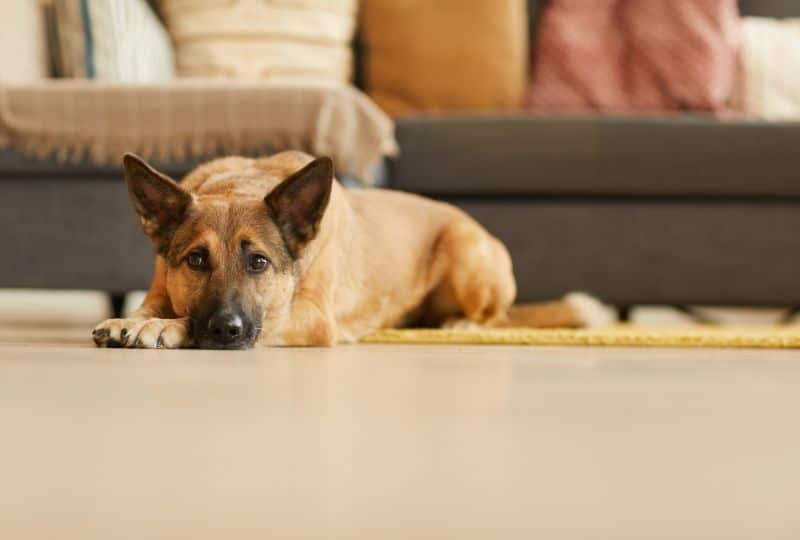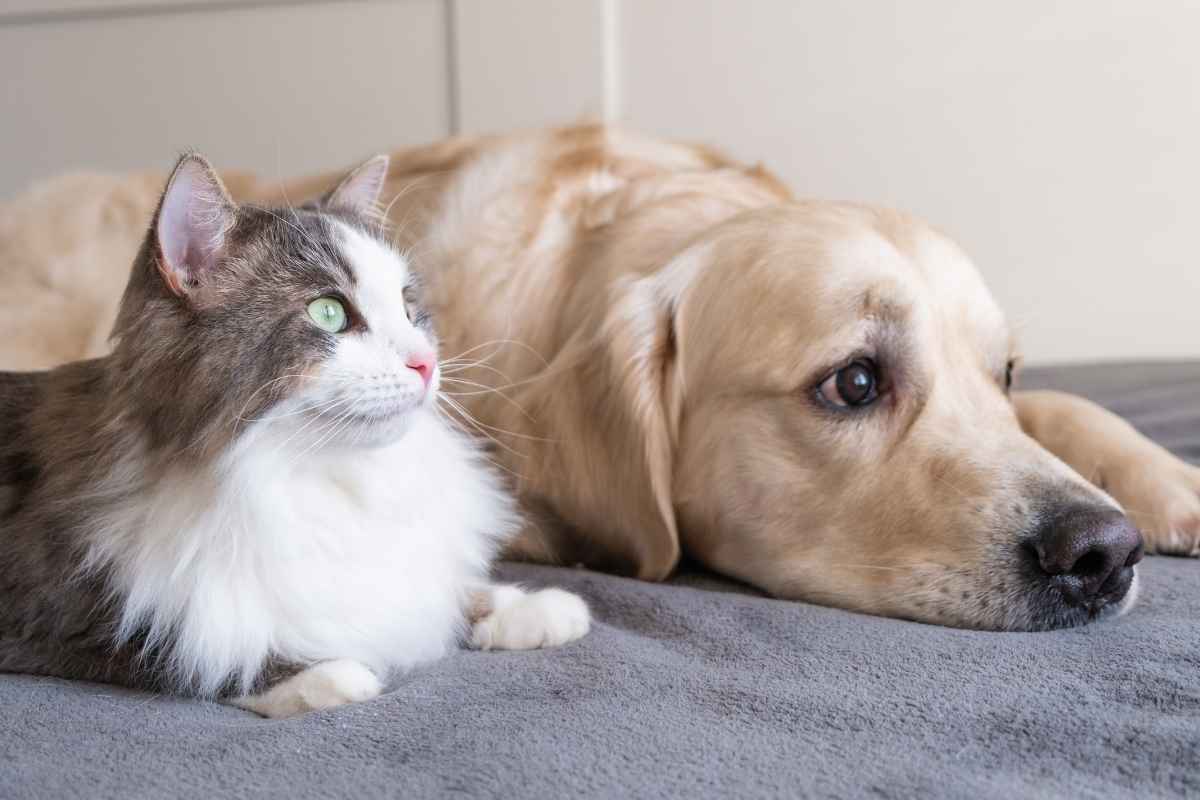

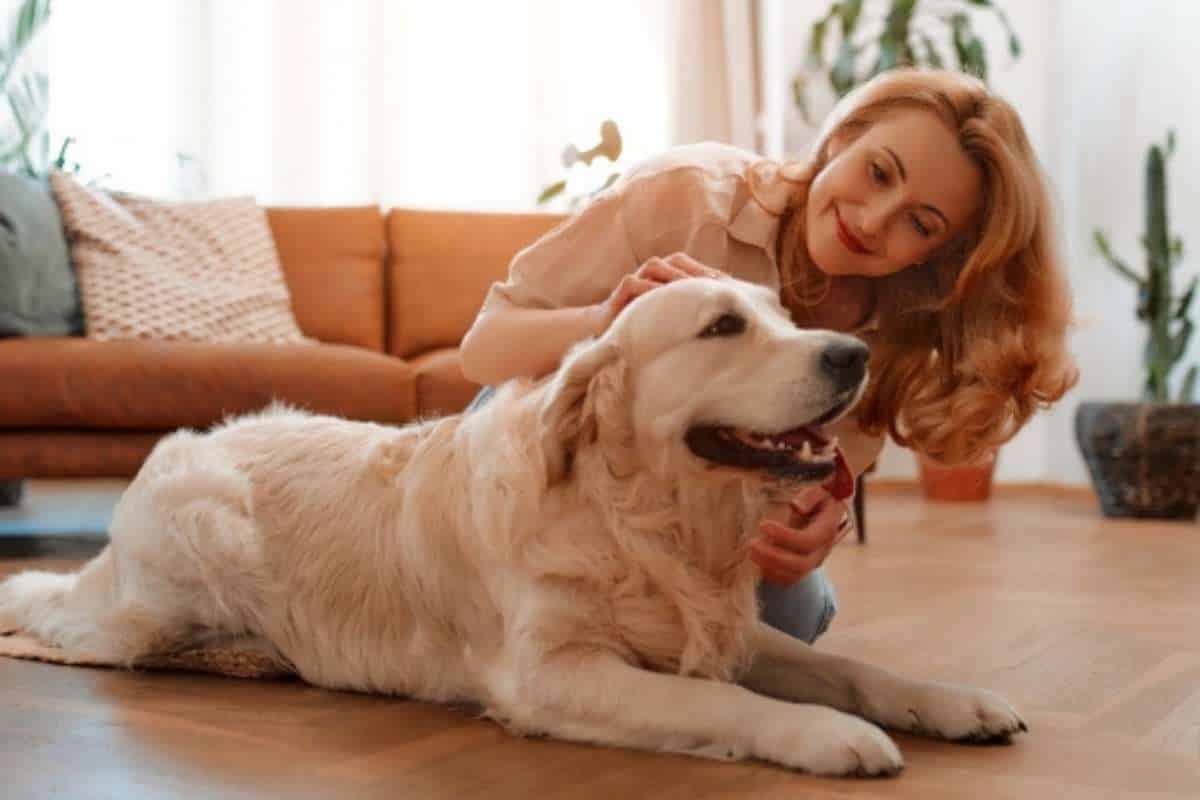
An unexpected illness or injury can be stressful for both you and your pet. Dogs and cats are highly sensitive to changes in their environment, and they often pick up on their owner’s emotions. During an urgent veterinary visit, staying as calm as possible can help your pet feel more secure while making the trip safer for everyone involved.
Although some situations require immediate veterinary attention, there are several practical steps you can take to reduce your pet’s stress before and during the visit. Understanding how to prepare and what to expect can help your pet remain as comfortable as possible while receiving the care they need.
Why Pets Become Anxious During Veterinary Visits
Many pets associate veterinary clinics with unfamiliar smells, new people, medical procedures, or previous uncomfortable experiences.
Common reasons for anxiety include:
- Pain or illness
- Unfamiliar surroundings
- Loud noises
- Other animals nearby
- Car rides
- Separation from home
- Fear of handling
When a pet is already feeling unwell, these factors may increase their stress level even further.
Stay Calm Yourself
Your pet often looks to you for reassurance.
Speaking softly, moving calmly, and avoiding sudden movements can help prevent additional anxiety.
Even during stressful situations:
- Use a gentle voice.
- Avoid yelling.
- Handle your pet carefully.
- Offer quiet reassurance.
Remaining calm also helps veterinary staff safely assess your pet.
Transport Your Pet Safely
Safe transportation reduces stress while helping prevent additional injuries.
For dogs:
- Use a secure leash.
- Support injured pets with a towel or sling if needed.
- Prevent unnecessary movement inside the vehicle.
For cats:
- Place them in a secure carrier.
- Cover the carrier with a lightweight towel if it helps reduce visual stress.
- Keep the carrier level while transporting.
Avoid allowing pets to roam freely inside the car.
Bring Familiar Comfort Items
Familiar scents often help reduce anxiety.
Consider bringing:
- A favorite blanket
- A familiar towel
- A favorite toy if appropriate
- Bedding with your pet’s scent
These items can provide comfort while waiting for the veterinary examination.
Minimize Waiting Time
If possible, call the veterinary hospital before arriving.
Providing information about your pet’s condition allows the veterinary team to prepare for your arrival and may help reduce waiting time.
Sharing details such as:
- Your pet’s symptoms
- When the problem began
- Any medications
- Recent injuries
helps the team respond more efficiently.
Avoid Offering Food Unless Advised
Some pets may require sedation, diagnostic testing, or surgery after arrival.
Unless your veterinarian instructs otherwise, avoid feeding your pet immediately before an urgent visit.
Fresh water may be appropriate in many situations, but always follow the guidance provided by your veterinary team.
Handle Injured Pets Carefully
Pain may cause even normally friendly pets to react differently.
If your pet appears injured:
- Avoid touching painful areas.
- Move them slowly.
- Use a blanket as a stretcher for larger dogs if necessary.
- Keep movements gentle and controlled.
Protecting both your pet and yourself is important during transport.
Keep Other Pets at Home
Whenever possible, leave healthy pets at home.
Fewer distractions allow you to focus entirely on the pet needing medical attention and reduce unnecessary stress for everyone involved.
Share Complete Information With Your Veterinarian
Your observations play an important role in diagnosis.
Be prepared to explain:
- When symptoms started
- Changes in appetite
- Vomiting or diarrhea
- Recent injuries
- Current medications
- Existing medical conditions
Accurate information helps your veterinarian determine the most appropriate treatment plan.
Follow the Veterinary Team’s Instructions
Once you arrive, the veterinary staff may recommend immediate examination or additional diagnostic testing.
Following their guidance helps ensure your pet receives timely care.
Depending on your pet’s condition, recommendations may include:
- Blood work
- X-rays
- Ultrasound
- Pain management
- Intravenous fluids
- Observation
Seeking pet urgent care in Lake Wylie promptly gives the veterinary team the opportunity to evaluate your pet before their condition worsens.
Helping Your Pet Recover After the Visit
Returning home can also be stressful for some pets.
To encourage a smoother recovery:
- Provide a quiet resting area.
- Administer medications exactly as prescribed.
- Limit activity if instructed.
- Offer fresh water.
- Monitor for changes in appetite or behavior.
- Attend recommended follow-up visits.
Careful home monitoring helps identify any changes that may require additional veterinary attention.
When You Should Not Delay Veterinary Care
Some symptoms require prompt evaluation regardless of how calm or anxious your pet appears.
Seek veterinary care promptly if your pet experiences:
- Difficulty breathing
- Collapse
- Repeated vomiting
- Severe diarrhea
- Heavy bleeding
- Seizures
- Inability to stand
- Suspected poisoning
- Significant trauma
Quick access to pet urgent care improves the chances of identifying serious medical conditions early and beginning appropriate treatment without unnecessary delays.
Unexpected illnesses and injuries can be frightening, but staying calm and preparing your pet for the trip to the veterinary hospital can make the experience less stressful for both of you. Safe transportation, gentle handling, clear communication, and following your veterinarian’s recommendations all contribute to better care during urgent situations.
If you’re in Lake Wylie, SC, and your pet needs prompt veterinary attention, contact TotalBond Veterinary Hospital at Bethel. We proudly care for pets from Lake Wylie, Clover, York, Charlotte, Rock Hill, and the surrounding area. For immediate guidance or to let our team know you’re on your way, call 803-831-1318.
FAQs
Q1. How can I keep my dog calm during an urgent vet visit?
Ans: Speak calmly, use a secure leash, avoid sudden movements, and bring a familiar blanket or toy if appropriate. Your calm behavior can help reassure your dog.
Q2. Should I feed my pet before an urgent veterinary visit?
Ans: Unless your veterinarian advises otherwise, avoid feeding your pet because some conditions may require sedation, anesthesia, or surgery.
Q3. Is it better to call the veterinary hospital before arriving?
Ans: Yes. Calling ahead allows the veterinary team to prepare for your arrival and provide guidance based on your pet’s condition.
Q4. What should I bring to an urgent veterinary appointment?
Ans: Bring your pet’s medications, medical records if available, a list of symptoms, and a familiar blanket or towel to help reduce stress.
Q5. How should I transport an injured pet?
Ans: Move your pet gently, support injured areas, use a carrier for cats, and use a towel or blanket as a stretcher for larger dogs if necessary.
Q6. When should I seek immediate veterinary attention for my pet?
Ans: Contact your veterinarian promptly if your pet has difficulty breathing, collapses, experiences seizures, has severe bleeding, repeated vomiting, or cannot stand.